
How to Detect Ovulation?
Ways to Detect Ovulation
Many women still find it difficult to identify when they are ovulating. Yet, knowing when ovulation occurs can be an important step when trying to conceive and experience one of the most beautiful moments of your life: finding out that you are expecting a baby. To make sure you can identify the time when you are most likely to conceive, there are a few useful things you should know. Here is how to detect your ovulation period.
What Is Ovulation?
Ovulation is the time when an ovary releases an egg. This process generally occurs once during each menstrual cycle. More precisely, ovulation usually occurs 12 to 16 days before the first day of the next period.
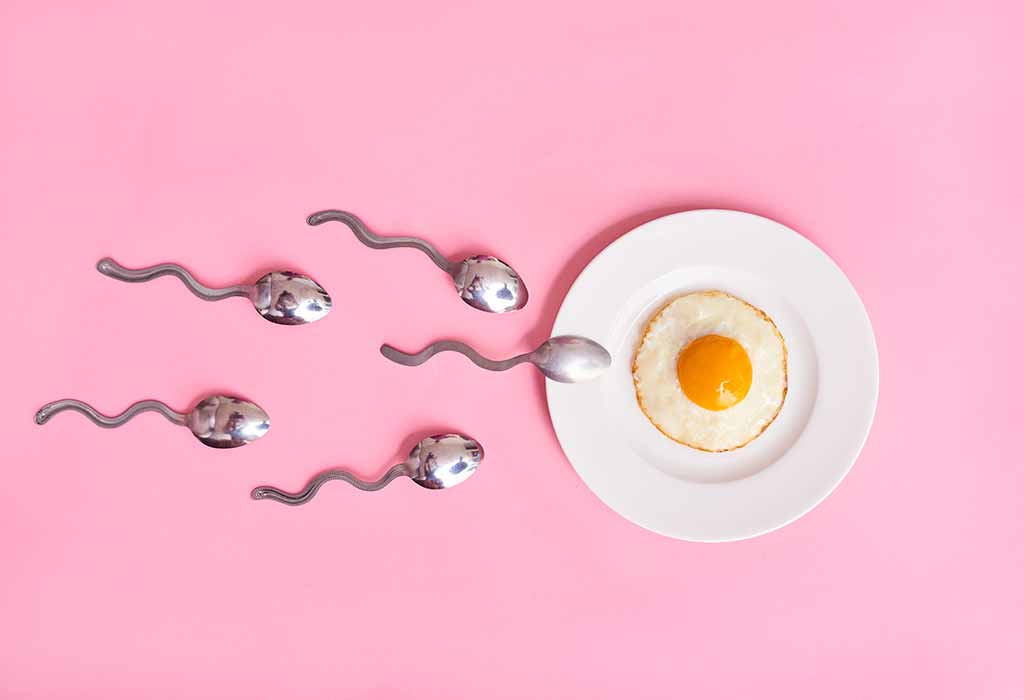
During ovulation, the egg travels toward the fallopian tubes, where it may encounter a sperm cell. If fertilization occurs, an embryo can begin to develop, meaning pregnancy may occur.
However, it is important to note that an egg can survive for only 12 to 24 hours, whereas sperm can survive for up to 5 days. Therefore, the fertile window generally extends from around 4 days before ovulation to 1 day afterward.
How Do You Know When You Are Ovulating?
Identifying the exact date of ovulation can be difficult, especially for women with irregular menstrual cycles. Nevertheless, there are several ways to recognize when ovulation may be occurring.
Natural Signs
One of the simplest ways to recognize ovulation is to pay attention to your body. It can show several signs and changes around the time of ovulation. You may therefore find it useful to keep track of changes in your body throughout your cycle.
First, you may notice an increase in your libido. Your breasts may also feel tender or heavier. This is caused by hormonal changes.
You may also experience some lower abdominal discomfort, particularly around the uterus or ovaries, as the ovary releases the egg.
During ovulation, vaginal discharge may also become more abundant. This is because cervical mucus changes throughout the menstrual cycle. While it may be opaque and creamy earlier in the cycle, as ovulation approaches it typically becomes clearer, more slippery, and more fluid, with a consistency similar to raw egg white.
Other symptoms, such as irritability or abdominal bloating, may also occur. However, some women experience none of these symptoms, which does not necessarily mean that they are not ovulating.
Basal Body Temperature Charting
This method is not considered completely reliable for predicting ovulation, although it has been used by women for many years. During the menstrual cycle, basal body temperature generally follows two phases: a lower-temperature phase followed by a slight increase in temperature after ovulation.
Temperature charting involves taking your temperature every day at the same time, starting from the first day of your period, preferably first thing in the morning before getting out of bed. Try to get enough sleep, as lack of sleep, stress, alcohol consumption, and certain medications can affect your temperature.
A small sustained rise in basal body temperature can indicate that ovulation has already occurred.
However, this method generally confirms ovulation only after it has happened. Tracking your temperature over several cycles can help you better understand your usual cycle pattern.
Calculating Your Ovulation Date
This technique is very simple and commonly used. To estimate your ovulation date, you first need to know the length of your menstrual cycle—that is, the number of days from the first day of one period to the first day of the next. Menstrual cycle length varies from one woman to another.
Ovulation generally occurs approximately 14 days before the start of the next period. Your most fertile days are usually the few days leading up to ovulation and the day of ovulation itself.
For example, if you have a 28-day cycle, ovulation may occur around day 14, counting from the first day of your period. If you have a 21-day cycle, ovulation may occur around day 7 (21 − 14 = 7). The same calculation can be applied to longer cycles. However, if your periods are irregular, this calculation is less reliable for determining your ovulation date.
Ovulation Tests
Ovulation tests are available today in a similar format to pregnancy tests. These tests can help identify the hormonal changes associated with ovulation by measuring luteinizing hormone (LH) in urine. They are among the most useful methods for identifying the fertile window.
There are several types of ovulation tests, including electronic, digital, and test-strip versions. The main difference is how the results are displayed. Electronic and digital tests may provide results that are easier to read, while test strips require you to interpret the intensity of the test line.
The purpose of an ovulation test is to detect the rise in luteinizing hormone (LH) that occurs shortly before ovulation. This increase, known as the LH surge, can help identify the days when conception is most likely.
For the best results, you should generally test at approximately the same time each day, beginning before your expected ovulation date and continuing until an LH surge is detected. Follow the instructions provided with your specific ovulation test, as testing recommendations can vary between products.
It is up to you to choose the method that works best for you. However, keep in mind that ovulation tests indicate hormonal changes associated with ovulation; they cannot determine whether you are able to become pregnant.

Written by Felicup M
Italienne d’origine et basée à Lausanne, Chiara est copywriter depuis 2012. Passionnée par les mots, elle met sa plume au service de Felicup.


Leave a comment
This site is protected by hCaptcha and the hCaptcha Privacy Policy and Terms of Service apply.